Choosing between clear braces vs metal braces in Charlotte, NC comes down to more than looks. Your goals, budget, lifestyle, and how much discretion you want during treatment all play a part. This guide walks through how each option works, where each one shines, and how to think through the choice with confidence.
Short answer. Clear (ceramic) braces use tooth-colored or clear brackets that blend in with your smile, making them a popular choice for anyone who wants a more discreet treatment. Metal braces use stainless steel brackets and are the most affordable, durable option, often preferred for more complex cases. Both move teeth the same way, with a bracket-and-archwire system your orthodontist adjusts over time, and both can achieve excellent results for the right case.
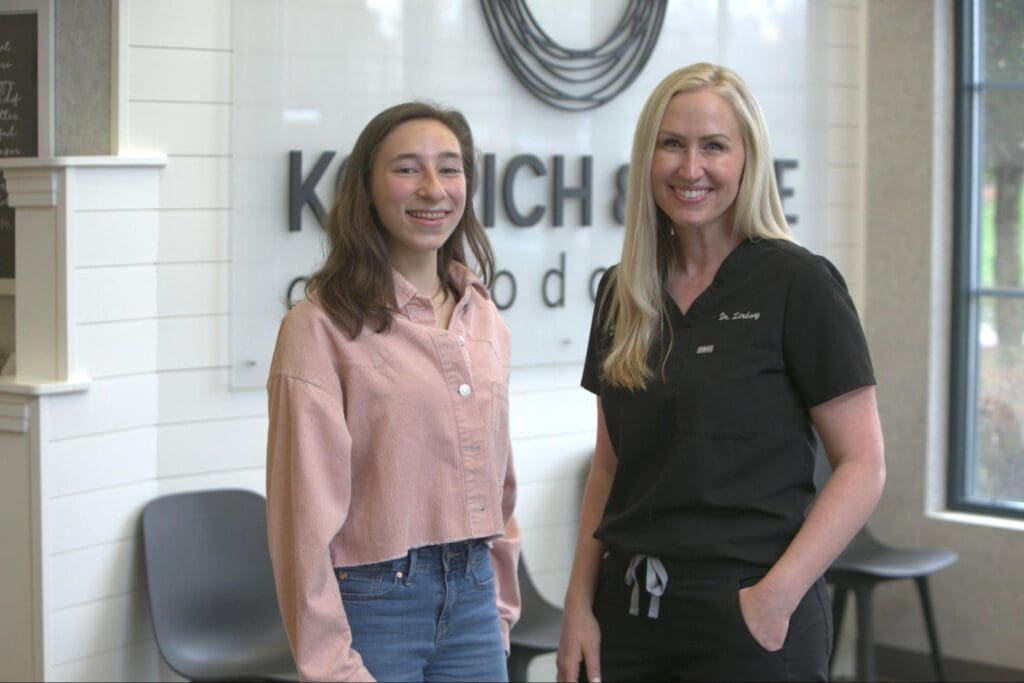
At Koerich Orthodontics, Dr. Lindsey Koerich sees patients across the Charlotte, Indian Trail, and Monroe offices and walks through this exact comparison at nearly every new-patient consultation. There is no universal right answer. The best choice depends on your bite, your budget, and how your daily life fits around treatment.
The sections below break down what clear braces and metal braces each involve, where they differ, and how other options like Invisalign fit into the picture, so you can walk into your consultation already knowing the right questions to ask.

What Are Clear Braces?
Clear braces, also called ceramic braces, use tooth-colored or clear brackets instead of shiny metal ones. The brackets blend with your teeth, so they are less visible when you talk or smile. Many teens and adults in Charlotte choose clear braces for better aesthetics, especially for people with public-facing jobs, social events, or anyone who wants more discretion during treatment.
How Clear Braces Work
Clear braces work the same way as metal braces. Small ceramic brackets are placed on your teeth, connected with a thin archwire, with elastic ties added if needed. The wire applies gentle, steady pressure that moves teeth into better alignment, with small adjustments made at each appointment. Clear braces handle many issues, including crowding, spacing, overbites, and underbites, and for mild to moderate cases their effectiveness is very close to metal braces.
Benefits of Clear Braces
- Better aesthetics and discretion. Clear braces blend with your teeth and are less noticeable at school, work, or social events.
- Strong results. For many alignment and bite-correction needs, ceramic braces work very well, using similar technology to metal braces.
- Smooth comfort. Ceramic brackets feel smooth against the cheeks and lips, with fewer abrasions once you adjust.
- A more custom look. Tooth-colored wires or clear ties add to the discreet appearance.
Drawbacks of Clear Braces
- Higher cost. Ceramic braces are usually more expensive than metal braces, since the materials cost more.
- Risk of staining. Elastic ties can pick up stains from coffee, tea, soda, curry, or tomato sauce. Good brushing and regular maintenance help prevent discoloration.
- Less durable. Ceramic brackets can chip or crack, so hard foods are best avoided.
- Extra maintenance. Brushing, flossing, and rinsing after meals matter more for keeping clear braces stain-free.
What Are Metal Braces?
Metal braces are the classic option, using stainless steel brackets and a metal archwire. They have been used for years and offer safe, reliable orthodontic treatment. Metal braces are strong and flexible, and they treat almost any alignment or bite issue, which is why they are often the first choice for more complex cases in both children and adults. As Dr. Granit Morina, a board-certified orthodontist at Smile Orthodontics in Gardner and Leominster, MA, notes, metal braces give the most control for tough bite and jaw issues and are still the gold standard for many complex treatment plans.
How Metal Braces Work
Small metal brackets are bonded to your teeth, a metal archwire runs through them, and elastic ties or clips hold the wire in place. Your orthodontist makes adjustments at each appointment, and the steady pressure guides teeth into the right position across mild, moderate, and severe cases alike.
Benefits of Metal Braces
- High durability. Metal brackets and wires are strong and rarely chip or break.
- Lower cost. Metal braces are often the most affordable braces option, with excellent effectiveness for the price.
- Great for complex cases. Metal braces handle major spacing, crowding, and severe bite misalignment well.
- Fun customization. Elastic bands can be colored to match holidays, sports, or personal style.
Drawbacks of Metal Braces
- More noticeable. If discretion matters most to you, clear braces may be the better fit.
- Initial discomfort. Metal can rub against the lips or cheeks at first. Wax and time help.
- Food restrictions. Very hard, sticky, or chewy foods should be avoided to protect brackets and wires.
- Extra cleaning. Food can get stuck under brackets or wires, so daily brushing and flossing matter.
Clear Braces vs Metal Braces at a Glance
| Factor | Clear (Ceramic) Braces | Metal Braces |
| Appearance | Blend with your teeth for more discretion | More visible, though colored bands can be fun for kids and teens |
| Comfort | Smooth against cheeks and lips, fewer abrasions once adjusted | Some initial rubbing on cheeks or lips; wax and time help |
| Durability | Can chip or crack if hard foods aren’t avoided | The strongest option, rarely chips or breaks |
| Cost | Generally more expensive due to ceramic materials | Usually the most affordable braces option |
| Oral Hygiene | Requires careful brushing and rinsing to avoid staining | Slightly easier to keep clean day to day |
| Treatment Duration | Depends on your bite and how well you follow care instructions | Depends on your bite and how well you follow care instructions |
Other Options: Aligners and Invisalign
Aligners are removable, clear, and comfortable, offering discretion for daily life since you remove them to eat or clean your teeth. Comfort aligners, like Invisalign, require 20 to 22 hours of daily wear to stay on track.
Advantages include being nearly invisible, easy to clean, fewer food restrictions, and smooth plastic that reduces mouth abrasions. Trade-offs include a higher cost, the need to follow a strict wear schedule, and better suitability for mild to moderate cases. Your orthodontist can help you decide if Invisalign fits your needs during a consultation.
Which Option Might Not Fit You
Clear braces may not be the best fit if you play contact sports, tend to eat a lot of hard or sticky foods, or want the lowest possible maintenance and lowest cost option, since ceramic brackets are more prone to chipping and staining than metal.
Metal braces may not be the best fit if discretion is your top priority, such as for on-camera work, frequent public speaking, or social settings where a less visible option matters more to you than cost or durability.
If you are not sure which trade-offs matter most for your situation, that is exactly what a consultation is for.
What a Consultation Can Tell You That This Guide Can’t
This comparison covers the general differences between clear and metal braces, but only an in-person exam can tell you which one fits your specific bite, your treatment timeline, and your budget. X-rays, a physical exam, and a conversation about your daily habits all factor into the right recommendation, and that is not something a guide like this can determine remotely. If you have questions about your specific case or want to talk through your options before committing, contact our office and our team will help you figure out the right next step.
Matching Treatment to Your Lifestyle
When planning your braces treatment, think through:
- Work or school needs and how much discretion matters to you
- Your budget and interest in payment plans
- Your ability to follow food restrictions and maintenance steps
- Whether you prefer fixed braces or removable comfort aligners
Our team builds a clear treatment plan around your goals and daily life, not a one-size-fits-all recommendation.
How Koerich Orthodontics Helps You Decide
Koerich Orthodontics blends modern braces technology, clear guidance, and friendly care across our Charlotte, Indian Trail, and Monroe offices. We help you compare clear braces, metal braces, and comfort aligners like Invisalign, explaining the differences in materials, aesthetics, comfort, treatment duration, cost, and effectiveness so you can make a confident choice.
During your consultation, Dr. Koerich and our team will check your teeth and bite, review your braces and treatment options, and discuss the advantages, drawbacks, and treatment timeline for your specific case. We also walk you through insurance coverage and payment plans, including financing options, to make treatment more manageable.
Frequently Asked Questions
Can I get metal braces for free?
Getting metal braces for free is rare, but it may be possible in certain cases. Some dental schools, community programs, or charity organizations offer reduced-cost or free orthodontic care for children or families in need. Most patients, however, will need to use insurance or payment plans to cover their braces treatment.
What’s the best age to get braces?
The ideal age for braces is usually between 10 and 14, when most permanent teeth have come in and the jaw is still growing. This allows teeth to move more quickly and efficiently, reducing overall treatment time. Adults can also get braces at any age, but treatment may take slightly longer due to fully developed jaws.
How long do clear braces take?
Clear braces generally take 18 to 24 months, similar to metal braces for most patients. The exact duration depends on alignment issues, bite misalignment, and your compliance with care instructions. Regular appointments and following your treatment plan are key to finishing on time with strong, lasting results.
Do clear braces cost more than metal braces?
Yes. Clear braces are usually more expensive than metal braces because of the ceramic materials and the extra care they require during treatment. Metal braces remain the most affordable option for most patients, while offering the same overall effectiveness for many cases.
Will clear braces stain over time?
They can. The elastic ties used with clear braces can pick up stains from coffee, tea, soda, curry, or tomato sauce. Consistent brushing, flossing, and rinsing after meals go a long way toward keeping clear braces looking clean throughout treatment.
Sources. American Association of Orthodontists patient guidance on types of braces and treatment options (aaoinfo.org). American Dental Association oral health guidance on orthodontic appliances (ada.org).

Related Reading
- What Should I Do If I Lose Or Damage My Retainers?
- Braces for Overbite in Charlotte, NC
- What Causes A Gummy Smile? Can It be Corrected?
Ready to Choose the Right Braces for Your Smile?
Koerich Orthodontics can walk you through clear braces, metal braces, and Invisalign side by side so you can pick the option that fits your goals, budget, and lifestyle.
Schedule Your Free Consultation
Free consultation for new patients.