Causes, Diagnosis, and Treatment Options From Koerich Orthodontics
TMJ disorders, also called temporomandibular joint disorders (TMD), can be painful and stressful. This guide explains what causes TMJ pain, how it is diagnosed, and which TMJ treatments can provide real relief, so you can take the next step toward a more comfortable jaw.
Short answer. TMJ disorder is treated according to its cause and severity. Most people start with non-surgical care, such as a night guard or bite splint, jaw exercises, heat or cold therapy, stress management, and medication. More severe cases may involve minimally invasive options such as injections, and surgery is rarely required. When a bite problem is adding strain to the jaw, orthodontic correction with braces or Invisalign can also help ease tension. A thorough exam, bite analysis, and imaging come first, so the treatment matches the cause.
Koerich Orthodontics, led by Dr. Lindsey Koerich and Dr. Leonardo Koerich, treats patients at offices in Charlotte, Indian Trail, and Monroe, NC. TMJ symptoms such as jaw pain, clicking, and headaches often overlap with bite and teeth-grinding concerns, which is why an orthodontic evaluation can be a useful part of finding the cause.
Not every TMJ problem has the same cause or the same answer. The sections below cover the symptoms to watch for, the most common causes, what a diagnosis involves, the range of treatment options from non-surgical to surgical, and where orthodontic care fits in and where it does not.

What Is TMJ Disorder (TMD)?
The temporomandibular joint (TMJ) connects your jawbone to your skull. It allows smooth movement when you chew, talk, or yawn. A TMJ disorder happens when this joint does not work as it should.
Common issues linked to TMD include:
- Jaw pain: Pain around the jaw joint, cheeks, or ears.
- Locking: Trouble opening or closing your mouth fully.
- Clicking or popping sounds: Noises that occur when chewing or moving your jaw.
- Stiffness: Difficulty moving your jaw during everyday movements.
These symptoms can range from mild to severe and often make daily life uncomfortable. As Dr. Adam Reynolds, an orthodontist at Orthodontic Design Co. in Madison and Huntsville, AL, explains, untreated symptoms can lead to muscle strain, jaw joint damage, and even chronic tension headaches.
Common Causes of TMJ Pain
TMJ pain can develop from many factors. The most common causes include:
- Jaw clenching and teeth grinding (bruxism): People who grind their teeth or clench their jaw often strain their TMJ muscles, which leads to pain, muscle spasms, and stiffness.
- Bite alignment issues: A poor bite can stress the TMJ and surrounding muscles, leading to chronic discomfort.
- Injury or arthritis: Trauma to the jaw joint or arthritis can lead to pain and inflammation.
- Lifestyle factors: Stressful daily routines, poor posture, and even diet can increase jaw strain.
Signs and Symptoms of TMJ Disorder
Understanding the symptoms of TMJ disorders helps you seek treatment sooner. Common indicators include the following.
Jaw Pain and Stiffness
Soreness in the jaw, cheeks, or near the ears is common. This pain often worsens with chewing, talking, or wide jaw movements, and it can spread to the neck and shoulders because of muscle tension or jaw clenching. Treatment may include gentle jaw exercises, muscle relaxants, or splints to reduce pain and improve movement.
Clicking or Popping Sounds
Noises when speaking or chewing are often linked to joint problems. They can happen when the jaw joint is not moving smoothly because of misalignment or tight muscles. Mild clicking is common, but frequent or painful sounds may signal a temporomandibular joint disorder, and early diagnosis can prevent the problem from getting worse.
Headaches and Earaches
Pain spreading to the neck, head, or ears may be caused by muscle tension. Many people with TMD also report migraines, earaches, or ringing in the ears, which can happen when tight jaw muscles or teeth grinding put stress on nearby nerves. Options such as relaxation techniques, bite adjustment, or stress management can bring relief.
Limited Jaw Movement
Feeling like your jaw is stuck, or noticing reduced jaw flexibility, is another sign. You might notice locking when you try to open or close your mouth, which can make eating or speaking difficult. This symptom is often linked to muscle spasms or joint pain from a temporomandibular joint disorder.
TMJ Diagnosis: What to Expect
Because TMJ symptoms can stem from many underlying issues, your provider will use several evaluation methods to get a clear picture of what is causing your discomfort. A thorough evaluation is essential to determine the right care plan for your needs.
Physical Exam
Your doctor will check for tenderness, stiffness, or unusual movements in the jaw joint and muscles. They may gently press around your face, neck, and shoulders to find areas of muscle tension or inflammation. You might be asked to open and close your mouth, chew, or move your jaw side to side so your provider can assess pain, locking, or clicking.
Bite Analysis
The specialist will study your bite alignment to detect issues like crowding, overbites, or teeth grinding (bruxism). Misalignment can put strain on the jaw muscles and joints, leading to pain or clenching, and a bite adjustment or orthodontic treatment may be suggested to reduce stress on your jaw and improve function.
Imaging Tools
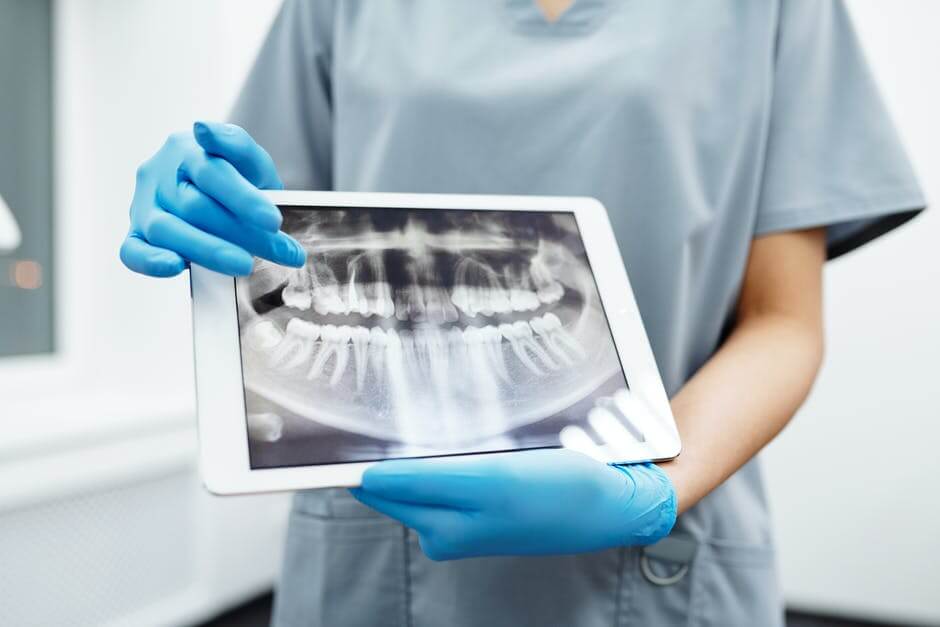
Advanced imaging such as X-rays or CT scans can reveal detailed problems in your jaw joint, muscles, or surrounding tissues. These images help your provider see inflammation, joint damage, or alignment issues that cause discomfort. In some cases, MRI or arthroscopy may be used for a closer look at soft tissues or joint movement.
TMJ Treatment Options in Charlotte, NC
The right treatment plan depends on the severity of your symptoms. Options range from non-invasive therapies to surgical interventions.
Non-Surgical Treatments
Non-surgical options are often the first step for managing TMJ disorders:
- Night guards or bite splints: These appliances keep your jaw in a relaxed position, which helps prevent teeth grinding and reduces strain.
- Physical therapy and jaw exercises: Guided exercises improve jaw flexibility, reduce stress, and strengthen muscles.
- Heat or cold therapy: Heat relaxes muscles, while cold packs reduce joint inflammation.
- Stress management: Techniques like meditation, yoga, and relaxation reduce tension in the TMJ area.
- Medications: Anti-inflammatory drugs or muscle relaxants ease pain and reduce swelling.
Advanced or Minimally Invasive Treatments
For more severe cases, alternatives to surgery are often effective:
- Botox injections: Botox helps relax muscles around the jaw joint, relieving stiffness and discomfort.
- Trigger-point injections: These provide pain relief directly where muscle tension is highest.
- Laser therapy: Emerging technology that aims to improve blood circulation, reducing pain and swelling.
- Orthodontic corrections: Braces or Invisalign can fix bite alignment and relieve jaw tension.
Surgical Treatments for Severe TMJ Cases
Surgery is rarely required but can help in complex situations:
- Arthroscopy: A minimally invasive procedure that cleans and repairs joint issues.
- Arthrocentesis: A technique that flushes out inflammation-causing substances from the joint.
- Open-joint surgery: An option for treating bone damage or severe jaw misalignment.
TMJ Treatment Options at a Glance
| Approach | Examples | Typically Used For |
| Non-surgical | Night guards or bite splints, jaw exercises and physical therapy, heat or cold therapy, stress management, anti-inflammatory drugs or muscle relaxants | Often the first step for managing TMJ disorders |
| Advanced or minimally invasive | Botox injections, trigger-point injections, laser therapy, orthodontic corrections with braces or Invisalign | More severe cases, or when a bite problem is adding to jaw tension |
| Surgical | Arthroscopy, arthrocentesis, open-joint surgery | Rarely required; complex situations such as bone damage or severe jaw misalignment |
Cost and Insurance Coverage for TMJ Treatment
The cost of TMJ treatment in Charlotte varies depending on the type of solution you choose. Night guards or splints usually range from $500 to $1,000, depending on the level of customization. Botox or other injection treatments typically cost between $300 and $600 per session. Orthodontic treatments such as braces or Invisalign can range from $3,500 to $8,000, based on the complexity of the case.
Many dental insurance plans cover part of the cost for TMJ evaluations and therapies. In addition, Koerich Orthodontics offers flexible payment plans to make treatment more affordable for patients.
When Orthodontics Is Not the Answer to TMJ Pain
Orthodontic correction can help when crowding, an overbite, or another bite problem is adding strain to the jaw. It is not the answer for every case. When arthritis, an injury to the joint, or muscle tension from clenching is the main driver, treatment may focus on night guards, therapy, medication, injections, or, rarely, surgery.
In some mild cases, TMJ symptoms improve over time with rest and stress reduction. Ongoing jaw pain, clicking, or stiffness, however, often needs professional care, and seeing a specialist early can keep the problem from getting worse.
What a TMJ Evaluation Can and Can’t Tell You
A TMJ evaluation combines a physical exam, a bite analysis, and, when needed, imaging to point toward the likely source of your discomfort. What it cannot offer is a one-size-fits-all answer. The right plan depends on whether the cause is muscle tension, bite alignment, injury, arthritis, or a combination. If you have ongoing pain, locking, or other symptoms, contact our office to talk through your options.
Choosing the Right TMJ Specialist in Charlotte, NC
The right TMJ specialist balances expertise, personalized care, and the latest technology. Look for a clinic that offers:
- Comprehensive diagnostic imaging: Tools like X-rays and bite analysis to understand your jaw’s condition.
- Custom treatment plans: Personalized solutions based on your symptoms.
- Patient-focused care: An approach built around lasting relief.
Koerich Orthodontics offers non-surgical and advanced TMJ treatments customized for patients across Charlotte, Indian Trail, and Monroe. You do not need to live with constant jaw pain, popping, or discomfort, and a personalized plan can improve your health and quality of life.
Frequently Asked Questions
Can TMJ disorder go away on its own?
In some mild cases, TMJ symptoms may improve over time with rest and stress reduction. However, ongoing jaw pain, clicking, or stiffness often needs professional care. Seeing a TMJ specialist early can prevent the problem from getting worse and help restore normal jaw function more quickly.
What foods should I avoid if I have TMJ pain?
If you have TMJ discomfort, it is best to avoid hard, chewy, or sticky foods such as nuts, gum, tough meats, and chewy candy. These can strain your jaw joint and make pain worse. Softer foods like yogurt, mashed potatoes, soups, or smoothies reduce pressure on your jaw while it heals.
Can TMJ disorders cause headaches or ear pain?
Yes. TMJ disorders often lead to headaches, earaches, or even a feeling of fullness in the ears. The jaw joint is close to the ear and connected to facial muscles that can cause referred pain, so treatment from a specialist can help relieve this tension and reduce headaches and ear discomfort.
How is TMJ disorder diagnosed?
Diagnosis usually combines a physical exam, a bite analysis, and imaging. The physical exam checks for tenderness, stiffness, and unusual jaw movement. The bite analysis looks for crowding, overbites, or teeth grinding. Imaging such as X-rays or CT scans shows the jaw joint, muscles, and surrounding tissues, and in some cases MRI or arthroscopy is used for a closer look.
Does insurance cover TMJ treatment?
Many dental insurance plans cover part of the cost of TMJ evaluations and therapies, though coverage varies by plan. Koerich Orthodontics also offers flexible payment plans to make treatment more affordable.
Sources. Standard orthodontic and oral medicine literature on temporomandibular joint disorders, their common causes, and conservative and surgical treatment approaches, stated qualitatively. Patient guidance from the American Association of Orthodontists (aaoinfo.org).

Related Reading
- Clear Braces vs. Invisalign: Which Is Cheaper?
- Does Insurance Cover Invisalign in Charlotte, NC
- What Is Invisalign: Learn Everything You Need To Know
Ready for Relief From Jaw Pain and Clicking?
Koerich Orthodontics will evaluate your jaw, bite, and symptoms at your free consultation and talk through the TMJ treatment options that fit your needs.
Schedule Your Free Consultation
Free consultation for new patients.